Table of Contents
ToggleTwo of the biggest free-to-play gacha games have dominated the market for years now, and picking between them isn’t a simple choice. Honkai: Star Rail and Genshin Impact both come from miHoYo (now HoYoverse), both have massive, passionate communities, and both scratch fundamentally different itches. One focuses on turn-based tactical combat and a sprawling space-faring narrative: the other doubles down on real-time action exploration and world-building. If you’re standing at the crossroads trying to figure out which one deserves your time and potentially your wallet, this breakdown covers everything: combat systems, progression, visuals, gacha mechanics, endgame content, and community support. By the end, you’ll know exactly which game aligns with what you’re looking for.
Key Takeaways
- Honkai: Star Rail features turn-based tactical combat with team synergy focus, while Genshin Impact delivers real-time action combat that rewards mechanical skill and positioning awareness.
- Genshin Impact offers richer world exploration with handcrafted secrets and organic puzzle discovery, whereas Honkai: Star Rail provides optimized performance and cel-shaded aesthetics with more linear zone-based design.
- Star Rail’s turn-based system makes character progression more forgiving with gentler RNG mechanics, while Genshin Impact demands deeper optimization but rewards theorycrafting with greater build variety.
- Honkai: Star Rail edges ahead in free-to-play friendliness with its weapon banner structure and character-focused narrative pacing, making it ideal for casual players and story enthusiasts.
- Genshin Impact’s Spiral Abyss provides a harder endgame challenge demanding precise optimization, while Star Rail’s Forgotten Hall caters to broader rosters with more accessible difficulty scaling.
- Choose Genshin Impact for action-driven exploration and ambitious world-building, or pick Honkai: Star Rail for narrative depth and relaxed turn-based gameplay without execution barriers.
Core Gameplay and Combat Systems
Combat Mechanics and Strategy
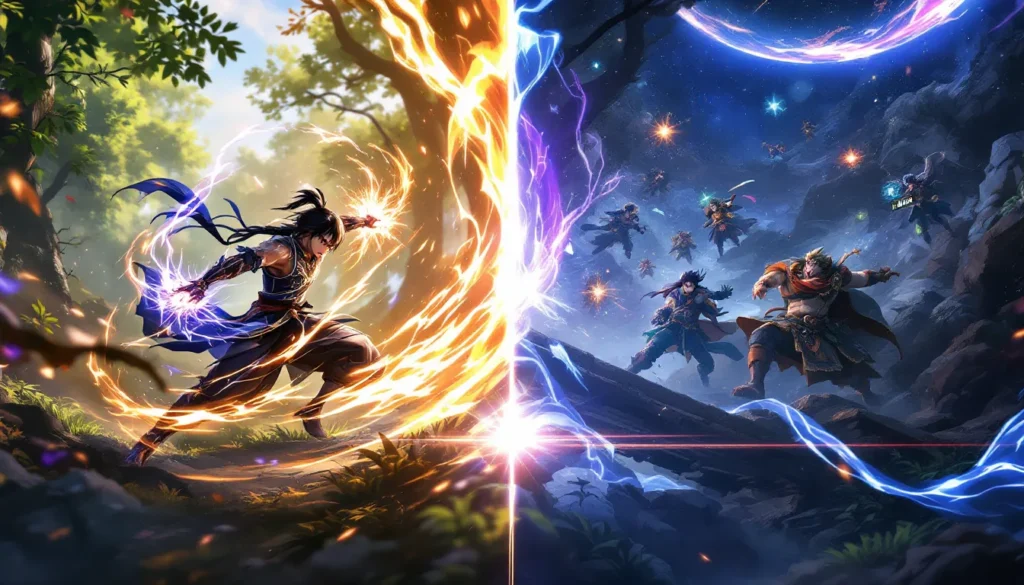
This is where Honkai: Star Rail and Genshin Impact diverge most sharply. Star Rail uses a turn-based system with speed stats dictating action order, while Genshin sticks with real-time action combat that rewards reflexes and positioning.
In Star Rail, you build a team of four characters and engage enemies in turn-based encounters. Speed determines turn order, and each character has a skill, ultimate ability, and basic attack. The meta revolves around buffers, debuffers, and damage dealers working in harmony. Breaking enemy toughness bars adds depth, match elemental damage to weakness types to reduce toughness and unlock a turn where enemies can’t act. It’s chess-like, deliberate, and rewards planning.
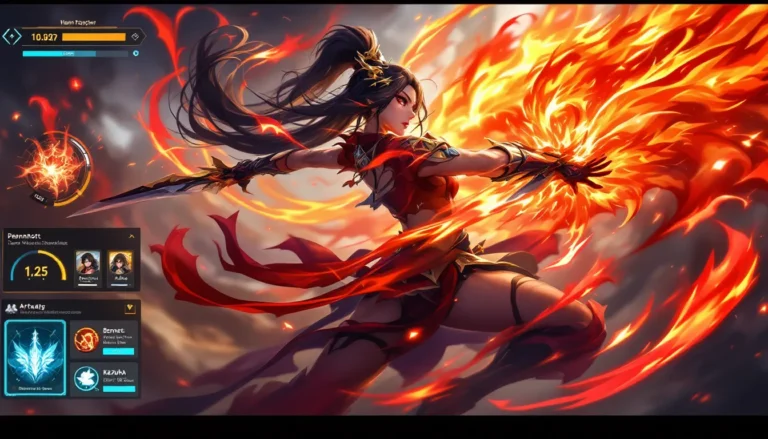
Genshin Impact’s real-time combat feels snappier. You swap between four characters mid-battle, weave basic attacks with abilities, and manage stamina for dashes and charged attacks. Elemental reactions, combining fire and water for vaporize, for example, create burst windows where you stack massive damage. It’s mechanical, timing-dependent, and genuinely skill-expressive. A good player can carry weak characters through content: in Star Rail, roster depth matters more.
Turn-based vs. action breakdown:
- Star Rail: Methodical, position-agnostic, relies on team synergy and stat optimization
- Genshin: Fast-paced, requires positioning awareness, rewards mechanical execution
For hardcore players, Star Rail’s meta-solving nature appeals to theorycrafters: Genshin’s action demands appeal to players who want their hands on the controller.
Character Building and Progression
Both games use similar progression structures, ascension, leveling, artifact/relic grinding, but Star Rail simplifies the formula.
Star Rail characters need level, ascension materials, skill upgrades, and relics (the stat-gear equivalent). Relics come with main stats and substats, but the RNG is slightly gentler than Genshin’s artifact system. You get guaranteed rolls without crit-adjacent stat blocks. Lightcones (weapon-equivalents) provide unique buffs tied to character mechanics.
Genshin demands more granular optimization. Artifacts have four main stats and four substats, offering wild variance. A “perfect” artifact takes weeks or months to farm. Weapons, talent leveling, and constellation upgrades all matter. The depth is there, but so’s the grind fatigue.
Progression comparison:
- Star Rail: Faster to gear competitively, fewer stat variables, cleaner farming loops
- Genshin: Deeper optimization ceiling, higher grind ceiling, more RNG variance
If you hate artifact domains, Star Rail’s more forgiving system is a relief. If you love theorycrafting optimal builds, Genshin rewards that obsession.
Graphics, Art Style, and Visual Performance
World Design and Exploration
Genshin Impact’s art direction is the franchise’s calling card. Teyvat spans diverse biomes, lush forests, deserts, snowfields, underwater regions, each with handcrafted secrets, hidden chests, and environmental puzzles. Exploration feels rewarding because the world whispers its secrets. You stumble into puzzles, discover story beats, and unlock shortcuts organically. On PS5 and high-end PC, it’s visually stunning. Mobile and Switch versions scale down but remain playable.
Honkai: Star Rail takes a stylized approach with cel-shaded characters and more linear world design. The Jarilo-VI, Penacony, and other locales look gorgeous in their own aesthetic, detailed character models, smooth animations, and a distinct visual identity. But exploration feels more corridor-like. Worlds exist as distinct zones rather than one cohesive landmass. Puzzles and secrets exist, but finding them lacks Genshin’s organic flow. Star Rail runs smoother on mid-range hardware: mobile performance is superior.
Performance-wise, Star Rail’s optimization is tighter. Genshin can chug on older phones and mid-tier PCs, especially in crowded areas. Star Rail maintains 60 FPS on most devices. On console and high-end PC, both shine, but Star Rail’s technical consistency is the win here.
Visual verdict:
- Genshin: More ambitious world design, better exploration flow, higher visual fidelity on premium hardware
- Star Rail: Optimized performance, cleaner framerate stability, striking art direction with less demanding specs
Story, Narrative, and World-Building
Character Development and Lore Depth
Genshin Impact’s story doesn’t win awards for pacing. The Archon Quest unfolds glacially, but when it lands, it lands hard. Nahida’s introduction in Sumeru, Fontaine’s ongoing mystery, and character-specific story quests deliver emotional beats. The world of Teyvat has coherent lore, Seven Archons, Celestia, the Abyss, but the main narrative takes its sweet time revealing pieces. Casual players might feel lost: invested players find themselves speculating wildly between patches.
Honkai: Star Rail leans into space-opera storytelling. The Trailblaze narrative, character personality quests, and well-paced story arcs create a tighter, more digestible narrative. The Stellaron Hunters, Amber Lord dynamics, and Penacony arc (v2.1+) show ambitious character writing. Story feels less glacial and more immediately engaging. It’s less “world mystery box” and more “character-driven adventure.”
For lore junkies, Genshin’s depth is unmatched. Every region, every NPC, every item description feeds into a massive puzzle. Star Rail’s lore is solid but less sprawling. Star Rail wins on character likability and main story pacing: Genshin wins on world-building ambition.
Narrative comparison:
- Genshin: Slower burn, deeper world lore, regional story arcs hit hard
- Star Rail: Character-focused, tighter pacing, faster emotional payoff
You can experience Story via translations and videos on platforms like RPG Site if you want to compare narratives before committing.
Gacha System, Monetization, and Free-to-Play Friendliness
Banner Mechanics and Pull Rates
Both games offer 0.6% five-star rates on standard banners, guaranteed within 80-90 pulls on featured character banners. The pity system is identical, so pulling mechanics are roughly equivalent.
Star Rail’s advantage: guaranteed five-star character banners alternate with guaranteed weapon banners every cycle. Light Cones (weapons) are more impactful than Genshin’s weapons, so dedicated free-to-play players benefit from this structure.
Genshin’s advantage: weapon banners exist but are skippable. Character power creep is slower, so older five-stars remain viable. You don’t need the newest weapon to clear content.
Pull economics:
- Star Rail: Weapon banners matter: you might want dupes for optimal damage
- Genshin: Characters age slower: older characters remain meta-relevant longer
Both are monetized aggressively, don’t expect a free five-star every other week. But both are absolutely playable free-to-play. Grinders can earn 40-60 free wishes per patch.
Battle Pass and Premium Content
Genshin’s Battle Pass costs 10 USD and provides materials, weapons (always useful), and Primogems (in-game currency). Premium missions add an extra layer of rewards. Most battle passes are forgiving enough for casual players.
Star Rail’s Battle Pass is identical in price and structure, with Stellar Jade (premium currency equivalent) rewards. Both also sell Welkin Moon (monthly currency stipend) and crystal top-ups.
Monetization verdict:
- Star Rail: Slightly more free-to-play friendly with weapon banner structure
- Genshin: More character-flexible, less pressure to pull weapons
Neither game forces spending, but whales will spend. Free-to-play viability: both 7/10. Star Rail edges slightly ahead for pure economics.
Endgame Content and Replayability
PvE Challenges and Farming
Genshin’s endgame revolves around Spiral Abyss, a bimonthly chamber gauntlet with rotating enemy lineups and buffs. Floors 9-12 are brutally punishing: floors 1-8 are accessible to most rosters. Abyss resets every two weeks, so active players have consistent content. Below Abyss, domains offer artifact farming and talent materials, which occupy grinding time.
Star Rail has Forgotten Hall (equivalent to Abyss) and Pure Fiction (weekly challenge). Forgotten Hall is more forgiving: if you have the roster, clearing it feels achievable. Pure Fiction offers weekly rewards for clearing specific lineups. Endgame content exists, but there’s less of it. Simulated Universe offers progression-based rewards, but resets are predictable.
Endgame depth:
- Genshin: Harder difficulty ceiling, demanding gear checks, higher engagement demand
- Star Rail: Forgiving, achievable for broader rosters, less punishing if you skip meta characters
Genshin’s endgame demands optimization: Star Rail’s demands roster variety. If you love challenge, Genshin’s Abyss 12 will humble you. Star Rail feels more accessible.
Seasonal Events and Updates
Both games drop major patches every six weeks (roughly). Genshin ties story progression to patches, new regions, story quests, and events. Patch 4.x brought Fontaine’s unfolding mystery: content felt purposeful.
Star Rail similarly pushes narrative with patches. Version 2.0+ introduced new characters, new paths, and story depth. Both maintain consistent event cycles, combat events, collection events, story events, with decent primogem rewards.
Frequency and pace: both offer adequate content. Genshin’s world exploration provides off-patch engagement: Star Rail’s is more confined. For active players, both offer 4-6 weeks of content per patch. For casual players, both can stretch that to 8 weeks.
Content velocity and replayability:
- Genshin: Exploration and puzzle discovery drive replayability
- Star Rail: New character trials and combat events drive engagement
Genshin wins for pure content hours per patch: Star Rail wins for focused, story-driven updates.
Community, Cross-Platform Support, and Accessibility
Community-wise, both games have thriving subreddits, Discord servers, and fan art ecosystems. Reddit Genshin Impact communities are larger due to the game’s older age, but Star Rail’s communities are growing fast. Both foster healthy theorycrafting and guide-making cultures. Toxicity exists (every gacha has it), but overall vibe leans positive.
Cross-platform support is where things matter. Genshin Impact supports PC, PS5, PS4, iOS, Android, and Nintendo Switch. You can seamlessly swap between platforms mid-game (except iOS, which has parity issues). Cross-save exists: progression syncs.
Honkai: Star Rail supports PC, iOS, Android, PS5, and PS4, no Switch version. Cross-platform plays similarly: progress follows accounts. Mobile optimization is better out of the box.
Accessibility comparison:
- Genshin: Wider platform selection (Switch included), but mobile optimization lags
- Star Rail: Fewer platforms but optimized across all of them
If you’re a Switch-only player, Genshin’s your game. If you jump between mobile and console, Star Rail’s better optimized. Controller support exists in both: PC hotkey customization is solid in both.
Language support: both offer full English localization plus other languages. Voice acting is solid in both (though Genshin’s English VAs get more discussion). Accessibility options like colorblind modes exist in both. Neither game shines here, both could do better with subtitle sizing and control remapping. Parity is roughly equal.
Which Game Should You Play?
Best For Action-Focused Players
If you’re chasing mechanical skill expression and real-time combat fluidity, Genshin Impact wins decisively. The action-adventure feel, elemental reaction combos, and positioning-dependent gameplay appeal to players coming from action RPGs. You’ll feel like you’re doing something, not managing menus. Spiral Abyss punishes sloppy play, but rewards it handsomely.
Characters like Nahida, Hu Tao, and Kazuha are mechanical joy to play. Their movesets reward timing and positioning. If you main DPS characters with multi-hit combos, Genshin’s responsive controller feel is unmatched.
Star Rail, conversely, is methodical. You tap buttons and watch damage numbers roll. There’s no dodge-rolling through fire: combat happens abstractly. Tactical yes, thrilling no. For action junkies, this feels slow.
Action verdict: Genshin Impact, comfortably. External reviewers like Siliconera have similarly noted Genshin’s combat appeal.
Best For Story and Casual Gameplay
If you’re chasing narrative depth and want to kick back without min-maxing, Star Rail’s your lane. Character-driven story, forgiving difficulty, and less grinding pressure create a relaxing experience. You can clear endgame content with off-meta characters: story quests are genuinely charming.
Genshin’s world-building is richer, but accessing it requires patience. Archon quests are long slogs: story context is scattered across character quests, world quests, and item descriptions. It’s rewarding for lore nerds but alienating for casual players who just want a digestible narrative.
Star Rail’s Trailblaze narrative is linear and focused. Character personality quests are shorter and funnier. You won’t feel lost chasing the main story. Plus, turn-based combat means you can play slower, think between turns, and engage at your pace.
Casual/story verdict: Star Rail edges out. The pacing is tighter, and difficulty is forgiving. IGN’s coverage has highlighted how Star Rail’s accessibility appeals to broader audiences.
That said, Genshin’s Genshin Impact Tier List shows that character viability varies more, you might pull a character and find them underpowered. Star Rail’s roster has less variance: most characters are usable. For a first-time gacha player, Star Rail’s safety net is worth considering.
Conclusion
Honkai: Star Rail and Genshin Impact aren’t direct competitors even though sharing a publisher, they target different player types. Genshin Impact excels for action-lovers, explorers, and players who crave ambitious world-building. Its real-time combat is thrilling, its world is gorgeous, and its content depth is staggering. The grind can be punishing, but the payoff is worth it.
Honkai: Star Rail wins for narrative enthusiasts, tactical thinkers, and players wanting a more casual experience. Turn-based combat removes execution barriers, story pacing is tighter, and free-to-play accessibility is slightly better. Exploration is less dynamic, but that’s the trade-off.
Here’s the truth: there’s no “supreme” game. There’s the game that aligns with your preferences. If you’re genuinely torn, play both. They’re free. Star Rail takes 10-15 hours to reach endgame: Genshin takes 20+. Try the tutorials, run some domains, see which combat rhythm clicks. By patch 2.0+ (both games), you’ll know if you’re staying.
The 2026 gacha landscape is crowded, but these two remain the heavyweights. Pick your lane, commit to your roster, and enjoy the ride.