Table of Contents
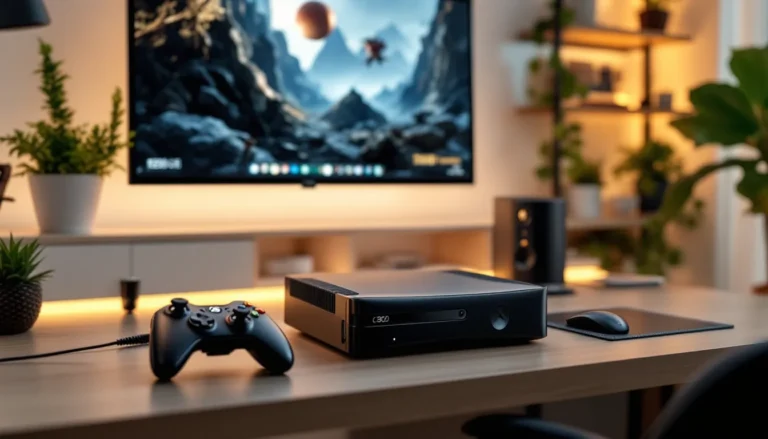
ToggleGTA 6 is coming, and it’s going to be massive. But if you’re sitting in front of an Xbox 360, wondering when Rockstar’s next masterpiece will drop on the classic hardware, we need to have a real talk: it won’t. Not now. Not ever. The gap between what the Xbox 360 can do and what GTA 6 demands isn’t just a technical problem, it’s a chasm. The 360 was absolute king when GTA V launched in 2013, but that was over a decade ago. Technology has evolved in ways the 16-year-old console simply can’t match. This article breaks down exactly why GTA 6 Xbox 360 compatibility is impossible, what the platform strategy actually looks like, and what gamers should know about upgrading to experience Rockstar’s next-gen vision.
Key Takeaways
- GTA 6 will never release on Xbox 360 due to insurmountable hardware limitations, including only 512 MB of RAM compared to modern consoles’ 16 GB, making the technical gap approximately 32x in memory alone.
- The Xbox 360’s DVD-based storage (16 MB/s read speed) cannot handle the open-world streaming demands of GTA 6, which requires SSD speeds 150x faster to manage dynamic environments, textures, and real-time AI.
- Rockstar’s platform strategy for GTA 6 focuses exclusively on PlayStation 5, Xbox Series X/S, and PC, deliberately abandoning support for older hardware to maintain the game’s vision without compromising quality across multiple codebases.
- GTA V on Xbox 360 represented the console’s technical ceiling with noticeable frame-rate dips, limited draw distances, and longer load times—a level of compromise Rockstar refuses to repeat for GTA 6.
- Current-generation consoles like PlayStation 5 and Xbox Series X offer 50x greater GPU performance and support advanced features like ray-tracing and dynamic resolution that are core to GTA 6’s design, making backwards compatibility mathematically impossible.
- Gamers upgrading from Xbox 360 should consider PlayStation 5 for launch-day access, Xbox Series X for maximum performance, or mid-range PCs ($700-1000) as viable alternatives to experience GTA 6.
The Technical Reality: Why GTA 6 Will Never Come To Xbox 360
The short answer is hardware. The Xbox 360 simply doesn’t have the processing power, memory, or storage capacity for a game of GTA 6’s scale. But let’s dig into what “doesn’t have enough” actually means in practical terms.
Hardware Limitations Of The Xbox 360
The Xbox 360 shipped in 2005 with a 3.2 GHz Xenon processor, 512 MB of RAM, and a 20 GB hard drive on early models (later expanded to 250 GB for the S model). When GTA V released nearly a decade later, developers had wrung every possible drop of performance out of that hardware through years of optimization and technical wizardry. But there’s a hard ceiling to what even genius-level coding can overcome.
Modern game engines, and GTA 6 runs on a significantly upgraded version of Rockstar’s proprietary engine, require gigabytes of RAM just to load a single area. The textures alone in a modern open world are measured in tens of gigabytes. The 360’s 512 MB of system RAM is laughable by comparison. For context, a single 4K texture asset for modern AAA games can be larger than the entire system memory of the 360.
GTA 6’s Massive Scale And Graphics Demands
Rockstar has already shown what GTA 6 looks like in promotional materials, and it’s a generational leap beyond even GTA V. We’re talking about photorealistic lighting, advanced weather systems, thousands of NPCs with sophisticated AI, and what appears to be multiple explorable cities. The Vice City shown in trailers has density and detail that would require constant streaming from storage, something the 360’s DVD drives simply can’t handle at modern resolutions and frame rates.
The new engine supports ray-traced reflections, advanced water simulation, detailed destruction systems, and AI that doesn’t just follow simple patrol routes but genuinely reacts to the player’s actions. A single frame of GTA 6 likely contains more geometric complexity than entire sections of GTA V. Rendering that at stable frame rates requires modern GPUs with shader capabilities that didn’t exist when the 360 was designed.
Also, GTA 6 is reportedly targeting 60 FPS on modern hardware. The original Xbox 360 version of GTA V struggled to maintain a consistent 30 FPS in dense areas. Going backward to 360 hardware while pushing forward technologically is mathematically impossible.
The Development Timeline Gap
Rockstar’s development cycle has also changed. GTA 6 has been in production for years, utilizing current-generation development tools and middleware built specifically for PS5, Xbox Series X/S, and PC. Backporting to 360 hardware would require maintaining an entirely separate codebase, engine version, and asset pipeline, something studios simply don’t do anymore for hardware that’s over 20 years old.
The cost and resources required to create a scaled-down 360 version would be astronomical, and the potential audience is a fraction of what it was a decade ago. Most 360 owners have either moved on to newer hardware or stopped gaming entirely. From a business standpoint, it makes zero sense. From a technical standpoint, it’s practically impossible without gutting the game to unrecognizable levels.
What GTA Games Actually Ran On Xbox 360
Let’s take a moment to appreciate what the Xbox 360 did achieve with the GTA franchise. The console hosted some legendary entries that defined the series for an entire generation.
GTA IV And Its Expansion Packs
GTA IV hit the 360 in April 2008 and was a watershed moment for the console. The jump from GTA: San Andreas was staggering, detailed character models, fully destructible environments, realistic vehicle physics, and a grounded narrative in Liberty City. It wasn’t a technical showcase by PC standards, but on a console from 2005, it was jaw-dropping.
The expansions, The Ballad of Gay Tony and The Lost and Damned, pushed the engine further while maintaining the same core stability. These standalone episodes added new mechanics, characters, and activities without breaking the 360’s capabilities. They’re still solid games today, though the aging engine shows its age in lighting and texture work.
GTA: Chinatown Wars And GTA: Ballad Of Gay Tony
Chinatown Wars deserves special mention because it actually launched on Nintendo DS (a handheld from 2004) and later ported to mobile platforms. It was stripped-down compared to the full 3D GTA experience but proved the formula could work on limited hardware. Meanwhile, The Ballad of Gay Tony became the definitive GTA IV spin-off experience on 360, it refined the mechanics from the base game and added nightlife mechanics that were uniquely engaging.
These games showed Rockstar’s capability to adapt, but they also highlighted the differences in what each platform could support. A mobile version meant fewer NPCs, shorter draw distances, and simplified physics. A 360 version meant careful optimization of every asset.
GTA V: The Last Generation Masterpiece
Then came GTA V in 2013. This is the critical point for Xbox 360. GTA V launched on 360 and PS3, and it was genuinely impressive for those platforms, not because it looked cutting-edge, but because of what was accomplished within the constraints. The city of Los Santos is massive, with multiple gameplay areas, a sophisticated physics engine, and a three-character switching mechanic that required architectural design most developers wouldn’t have considered.
But here’s the thing: even GTA V showed the seams on 360 hardware. Lower-resolution textures, aggressive pop-in at distance, frame rate dips in dense areas, and longer loading times were necessary compromises. The game pushed the 360 to its absolute limit. When next-gen versions launched for PS4 and Xbox One in 2014, the visual and performance improvements were staggering, better draw distances, higher resolution, better textures, improved frame stability.
GTA V on 360 was the platform’s swan song for the series. Rockstar wasn’t going to keep backporting: the gap between generations had become too large to reasonably maintain multiple versions without sacrificing what made the current-gen experience special.
Rockstar’s Platform Strategy For GTA 6
Rockstar learned from the GTA V era that supporting too many platforms stretches development resources and compromises the vision. GTA 6 is taking a different approach.
Current-Generation Console Focus
Rockstar has confirmed that GTA 6 will launch on PlayStation 5 and Xbox Series X/S first. These are the platforms where the game can truly be realized as intended. The developers are building specifically for the 9 teraflops (Series X) or 10.28 teraflops (PS5) of GPU processing power and the advanced SSD architecture that allows for streaming massive open worlds without traditional loading screens.
The rumor mill and official statements both point to a timed exclusivity window (likely 6 months) before a PC port arrives. High-end gaming PCs will handle the game beautifully, potentially with ray-tracing cranked even higher than consoles. But you notice what’s conspicuously absent: no Xbox One, no PS4, and absolutely no Xbox 360 or PS3.
Rockstar made the deliberate choice to move on. That decision reflects both the scale of GTA 6 and the company’s willingness to leave behind hardware from an earlier era. Modern AAA development is expensive enough without maintaining separate code branches for decade-old systems.
PC And Mobile Considerations
PC is coming, though the timeline remains murky. Rockstar hasn’t announced a specific date, but historical precedent suggests a 6-12 month exclusivity window for consoles before PC arrives. The game will likely have scalable settings, high-end rigs can max out graphics, while mid-range systems get dialed back but still deliver an experience far superior to console versions.
Mobile is a different story. Games like Grand Theft Auto: Chinatown Wars and GTA Online mobile versions exist, but they’re stripped-down experiences or cloud-based solutions. Don’t expect GTA 6 to launch natively on iOS or Android: Rockstar’s mobile strategy involves repurposing older titles or hosting them via cloud services, not bringing the flagship experience to phones.
Comparing Xbox 360 Specs To Modern Gaming Hardware
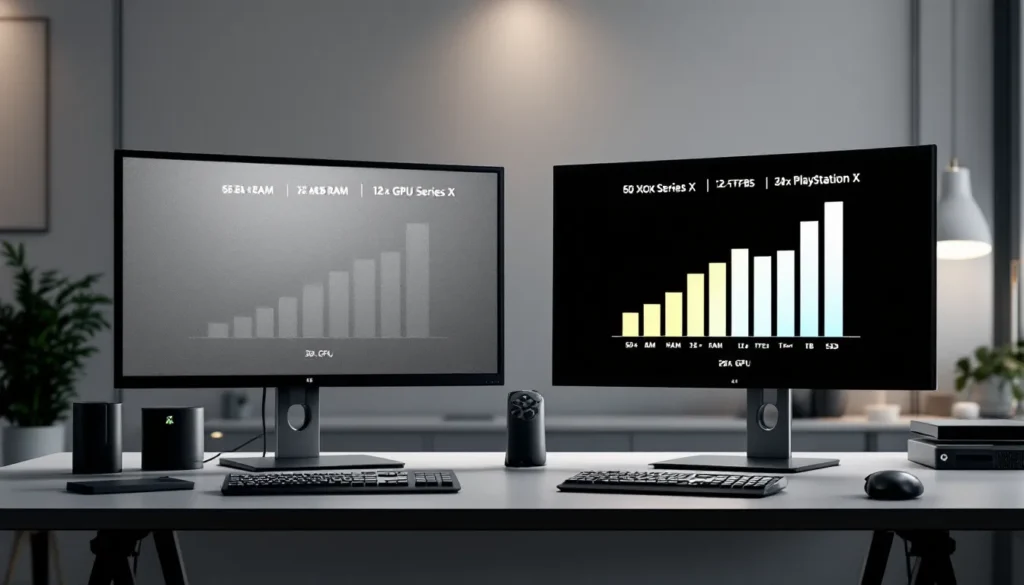
Let’s put some numbers on this. A side-by-side comparison makes the impossibility crystal clear.
Processing Power And Memory Differences
Xbox 360:
- CPU: 3.2 GHz Xenon (3 cores, roughly 115 GFLOPS)
- GPU: Xenos (240 GHz, 115 GFLOPS)
- System RAM: 512 MB
- Storage: 250 GB max (DVD-based)
- Peak theoretical performance: ~230 GFLOPS
Xbox Series X:
- CPU: 8-core AMD Zen 2 (3.8 GHz)
- GPU: 12 TFLOPS (1.8 times more powerful than PS5)
- System RAM: 16 GB GDDR6 + 6 GB fast SRAM
- Storage: 1 TB custom SSD with proprietary I/O
- Peak theoretical performance: 12 TFLOPS
That’s a difference of roughly 50x in GPU performance and 32x in system memory. But the real gap is even wider because modern hardware supports features the 360 didn’t have: dynamic resolution scaling, advanced compression, ray-tracing, and hardware-accelerated physics engines.
PlayStation 5 (for comparison):
- 10.28 TFLOPS GPU
- 16 GB GDDR6 RAM (compared to 360’s 512 MB)
- Custom SSD with decompression hardware
- Supports ray-tracing and 4K rendering
The 360 had 512 MB of RAM total. Modern games like DualShockers report that even mid-tier AAA titles use 8-12 GB of memory. GTA 6, with its scale and advanced simulations, probably uses close to the full 16 GB available on PS5 and Series X.
Storage And Rendering Capabilities
The Xbox 360 used DVD drives with a max read speed of about 16 MB/s. Even the original Series X custom SSD is rated at 2.4 GB/s, 150 times faster. This speed is critical for open-world games because it determines how quickly the engine can stream in new areas, load textures, and manage memory.
GTA V’s Los Santos map is roughly 127 square kilometers. GTA 6’s map appears to be even larger based on available information. At 360 DVD speeds, streaming assets for a dynamic open world with destructible elements, real-time AI, and dynamic lighting would result in constant loading screens and pop-in.
Rendering capabilities are another chasm. The 360’s Xenos GPU was fixed-function and lacked features like dynamic shadows, advanced particle systems, and proper normal mapping at scale. Modern GPUs in Series X and PS5 support:
- Ray-traced reflections and shadows
- Variable-rate shading
- Hardware tessellation
- Dynamic resolution up to 4K
- Advanced post-processing effects
These aren’t luxuries, they’re core to how modern engines work. Building GTA 6 without them would mean fundamentally redesigning the game’s visual systems. It’s not just a downgrade: it’s starting over.
Upgrading From Xbox 360: Best Alternatives For GTA 6
If you’ve been rocking an Xbox 360, it’s time to face reality: GTA 6 isn’t coming there. But your upgrade path isn’t complicated.
Next-Gen Consoles Worth The Investment
Xbox Series X ($499 standard price) remains the raw power king. 12 TFLOPS of GPU performance, 1 TB SSD, and Game Pass integration make it a solid choice. GTA 6 will run at its best here (after the PS5 timed exclusivity window ends, assuming that’s how Rockstar handles it). The controller is solid, backwards compatibility is excellent, and the ecosystem is mature.
PlayStation 5 ($499) is currently the console where GTA 6 will launch first. If getting the game at launch is priority, this is your move. The hardware is comparable to Series X (slightly less raw power, slightly better SSD speed), and the exclusive controller features (haptic feedback, adaptive triggers) are genuinely useful in games. A gaming-focused comparison from industry outlets typically ranks both as roughly equivalent, with preference coming down to exclusives and personal preference.
Xbox Series S ($299) is the budget option. It can’t render at true 4K, but GTA 6 will still run significantly better than on 360. Expect dynamic 1440p or lower, likely with some graphical settings dialed back compared to Series X. It’s still a massive leap in experience, and the $200 price difference is substantial if you’re budget-conscious.
If you want the best GTA 6 experience and have the budget, Series X is the play. If you want bang-for-buck and don’t mind dynamic resolution, Series S works. If you want to be sure you get it at launch, PS5 is the move, though Series X will have it eventually.
PC Gaming As A Viable Path
Building or buying a gaming PC is another route. High-end gaming rigs ($1500+) will crush GTA 6 with maxed-out settings, ray-tracing, potentially higher frame rates than consoles, and mods down the line. Mid-range PCs ($700-1000) can deliver console-level experience with more flexibility on settings.
The advantage of PC is longevity. A $1000 gaming PC will be relevant for 5-7 years, whereas consoles are typically refreshed every 7-10 years. You also get Steam libraries, keyboard/mouse options, and eventually, mods (which Rockstar always enables for GTA on PC after a period of time).
The downside is upfront cost and the need to handle your own driver updates, cooling, and hardware troubleshooting. But if you’re willing to learn, PC is incredibly rewarding. Recent coverage from VGC and other outlets frequently highlights how PC versions of major releases often outperform console versions graphically, and GTA 6 will likely follow that pattern.
The Legacy Of GTA On Previous-Generation Consoles
The Xbox 360 wasn’t just a platform for GTA, it was the platform for two generations of the franchise.
How GTA V Pushed Xbox 360 To Its Limits
When GTA V released on September 17, 2013, it was a technical marvel on 360. The fact that Rockstar managed to fit an entire open world the size of Los Santos onto a 360, with working traffic, NPCs, physics, radio stations, and complex mission scripting, was legitimately remarkable. Developers like Rockstar’s teams were squeezing performance out of aging hardware through years of experience optimizing for the platform.
But it came with compromises. Walk down a street and draw distances are limited: look at the water and it’s relatively simple: fire a weapon and the particle effects are tame. The dynamic weather system is less detailed. Character animation, while good, doesn’t compare to what PS4 and Xbox One could do. Load times are longer. Frame rate dips in crowded areas are noticeable.
Yet even though these limitations, GTA V on 360 sold tens of millions of copies and was beloved. It proved that hardware age doesn’t determine quality, optimization and smart design do. Rockstar did with the 360 what few developers could: they delivered a genuinely great open-world experience on a decade-old platform.
What This Means For Future Releases
But GTA V was the ceiling. Rockstar isn’t interested in pulling off that magic trick again. The company has realized that maintaining multiple hardware generations dilutes resources and prevents the vision from reaching its full potential. GTA 6 is built from the ground up for current hardware.
This isn’t unique to Rockstar anymore. Most AAA studios abandoned last-generation console support years ago. Games like Pure Xbox frequently cover the reality that new major releases no longer come to PS4 or Xbox One, only PS5 and Series X/S. The industry has shifted.
For 360 owners, that’s hard. But it’s also natural. Technology moves forward. Games grow more ambitious. At some point, you can’t take a 16-year-old platform and pretend it can run tomorrow’s software. The legacy of GTA on 360 is that it proved what was possible, not that it should be repeated forever. That generation had its moment: now it’s time for new hardware and new possibilities.
Conclusion
GTA 6 will not come to Xbox 360. The gap between what that hardware can do and what Rockstar envisions for the next entry in the franchise is too vast. From a technical, business, and development perspective, it’s not feasible, and honestly, not necessary.
The 360 had its time. It hosted GTA IV, GTA: Chinatown Wars, and GTA V. Those games defined the platform and entertained millions. But hardware evolves, technology advances, and ambitions grow. GTA 6 demands current-generation hardware: PS5, Xbox Series X, or PC. These platforms offer the processing power, memory, storage speed, and rendering capabilities that a game of this scale requires.
If you’re still on 360 and want to experience GTA 6, it’s time to upgrade. The good news is that next-gen hardware is mature, affordable options exist across price points, and the leap in experience will blow your mind. The bad news is there’s no way around it, GTA 6 is a next-gen exclusive, and that’s how it should be.